Understanding At-Home Mobility and Flexibility
An educational resource exploring comprehensive routines for enhancing mobility and flexibility suitable for adults of all ages. This site provides information about gentle exercises, daily stretching concepts, and movement principles.
Educational content only. No medical services. No promises of outcomes.
Learn More
Introduction to Mobility Workouts
Mobility refers to the ability of joints to move freely through their full range of motion. Unlike flexibility, which focuses primarily on muscle length, mobility encompasses the entire joint system including muscles, tendons, ligaments, and the joint capsule itself.
At-home mobility workouts typically involve controlled movements designed to maintain or explore joint range of motion. These exercises are often performed without specialized equipment and can be adapted to various fitness levels and age groups.
Understanding the principles behind mobility work can help individuals make informed decisions about incorporating movement into their daily lives. The following sections explore various aspects of mobility exercises and their general characteristics.
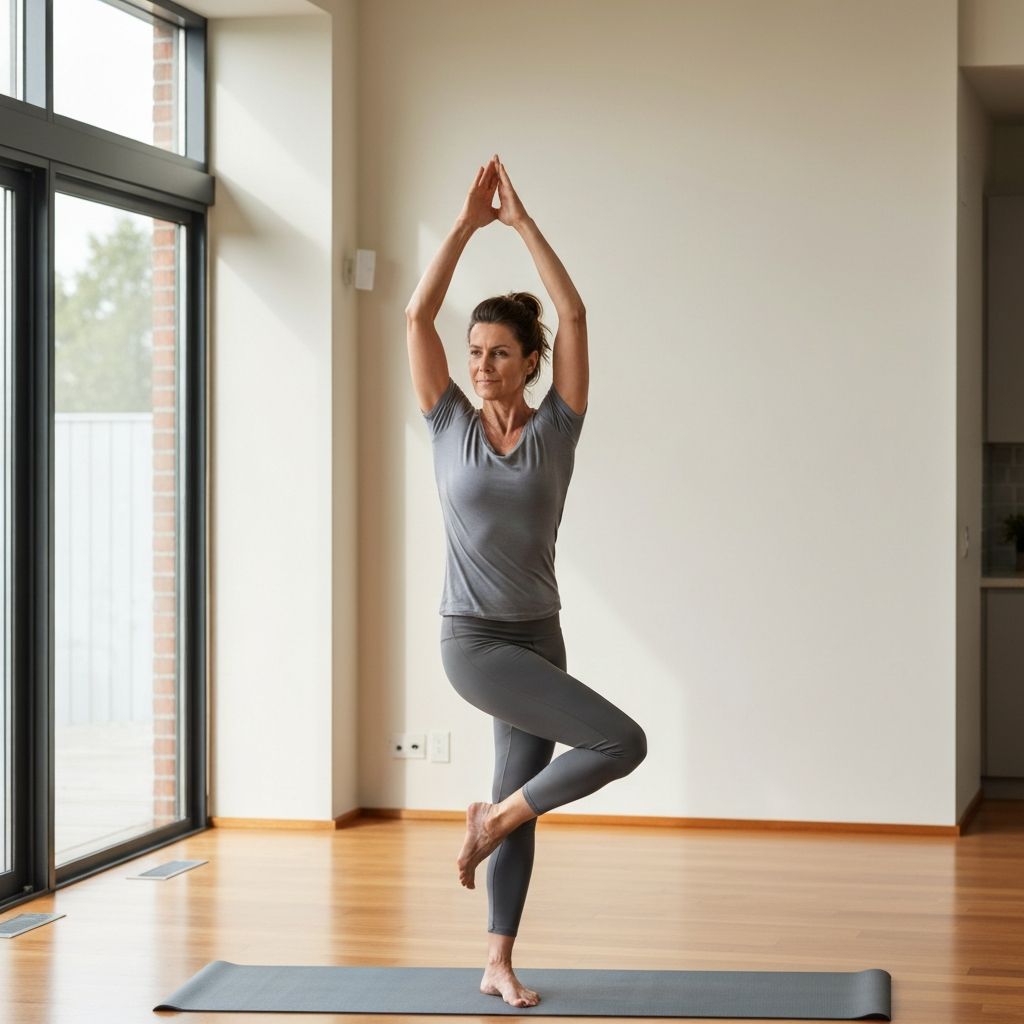
Importance of Daily Movement
Understanding Joint Function
Joints are designed to move. Regular movement helps maintain the production of synovial fluid, which provides lubrication and nutrition to joint cartilage. When joints remain stationary for extended periods, this natural lubrication process may be affected.
Movement also plays a role in maintaining the health of surrounding soft tissues. Muscles, tendons, and ligaments respond to regular use by maintaining their functional properties.
Movement in Daily Life
Modern lifestyles often involve prolonged periods of sitting or repetitive movements. Understanding how different positions and activities affect the body can inform personal choices about incorporating variety into daily routines.
Simple adjustments to daily habits, such as taking brief movement breaks or varying positions throughout the day, represent common approaches that many people explore.
Morning Stretch Routine Concepts
Morning stretching routines are commonly described in fitness literature as a way to transition from rest to activity. The following cards explore typical components of morning mobility sequences.

Neck and Shoulder Movements
Gentle neck rotations and shoulder circles are frequently included in morning routines. These movements aim to address areas that may feel stiff after sleep. The neck typically allows rotation, lateral flexion, and forward-backward movement.
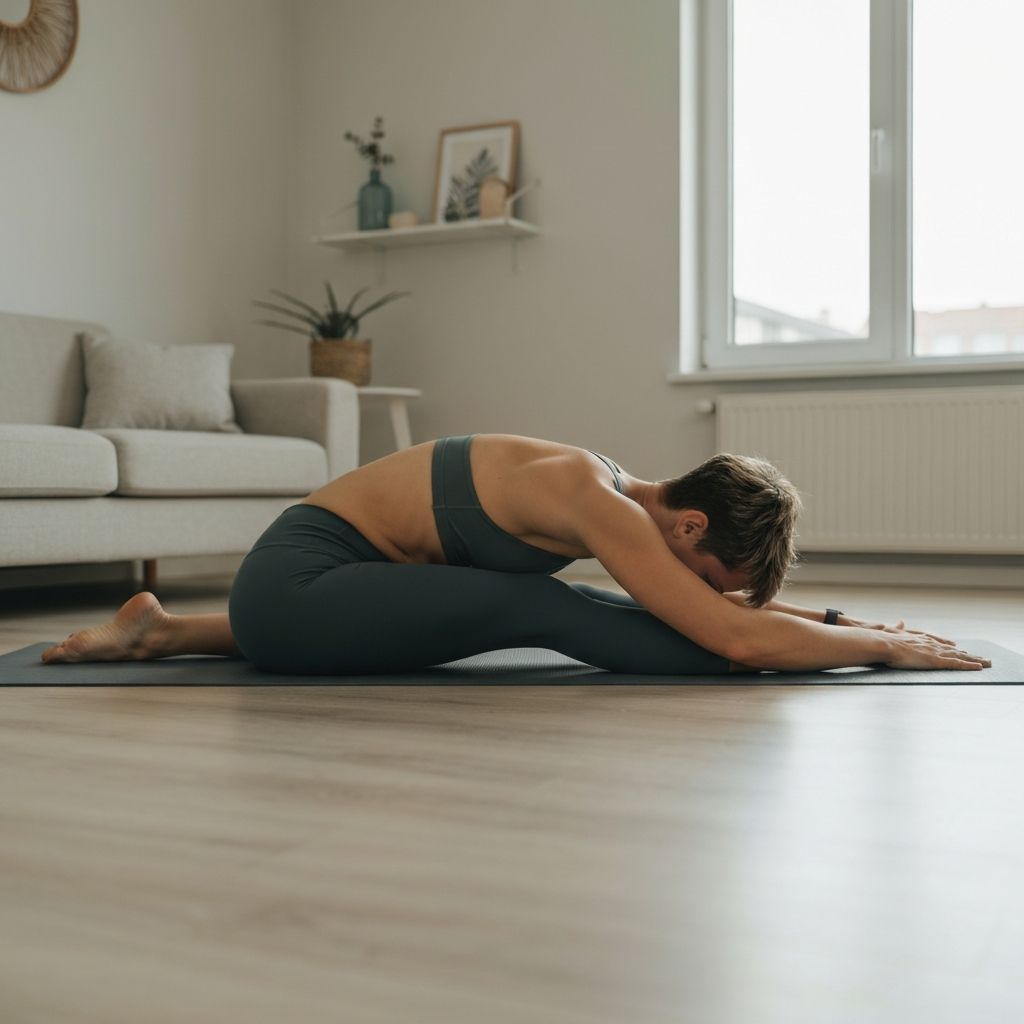
Spinal Flexion Positions
Forward folding movements, whether standing or seated, are common elements in stretch routines. These positions involve spinal flexion and may provide a sensation of lengthening along the posterior chain of the body.

Lateral Stretching
Side-bending movements with arms extended overhead represent another common morning stretch category. These movements involve lateral flexion of the spine and may affect the muscles along the sides of the torso.
Evening Flexibility Routine Concepts
Evening stretching is often described as having a different character than morning routines, typically emphasizing relaxation and longer-held positions. Below are common elements found in evening flexibility sequences.
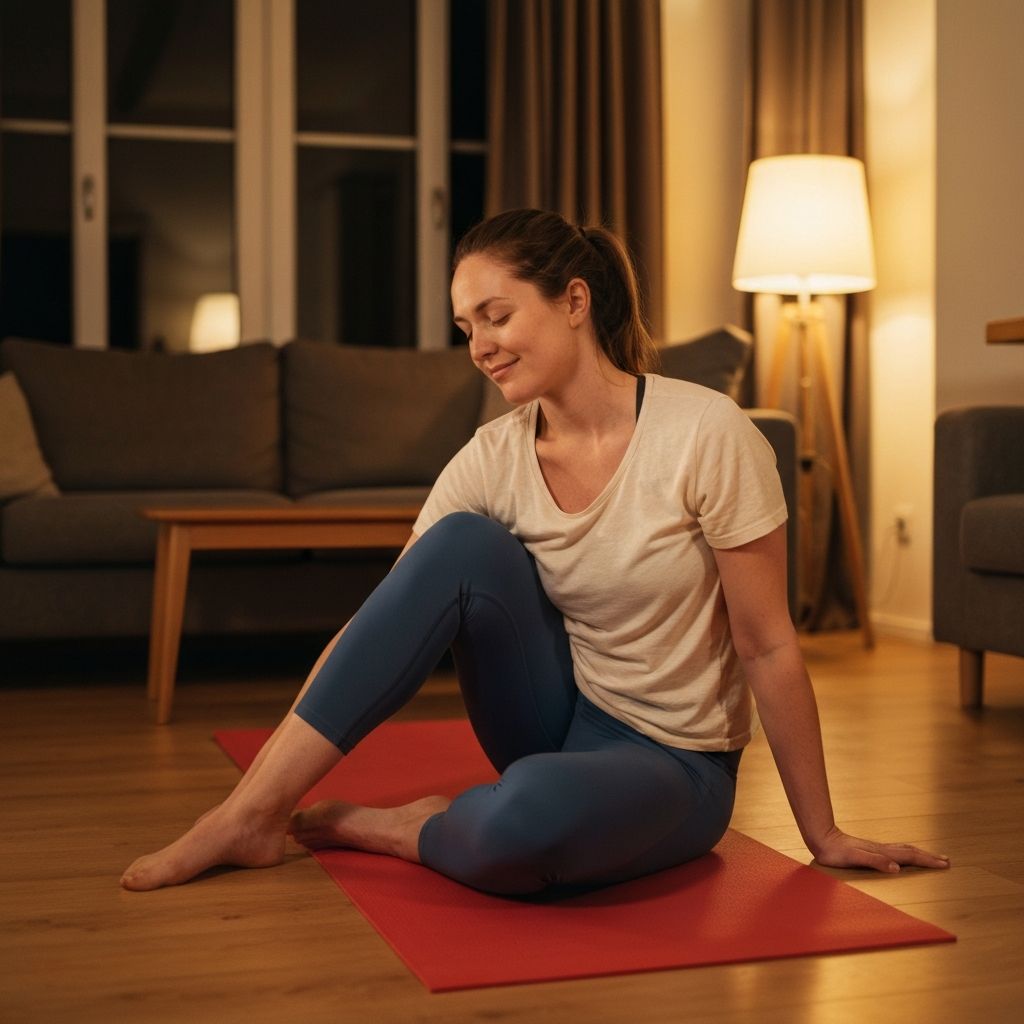
Seated Rotation Movements
Spinal rotation exercises performed in a seated position are frequently included in evening routines. These twisting movements involve the thoracic spine and may be held for longer durations than morning stretches.
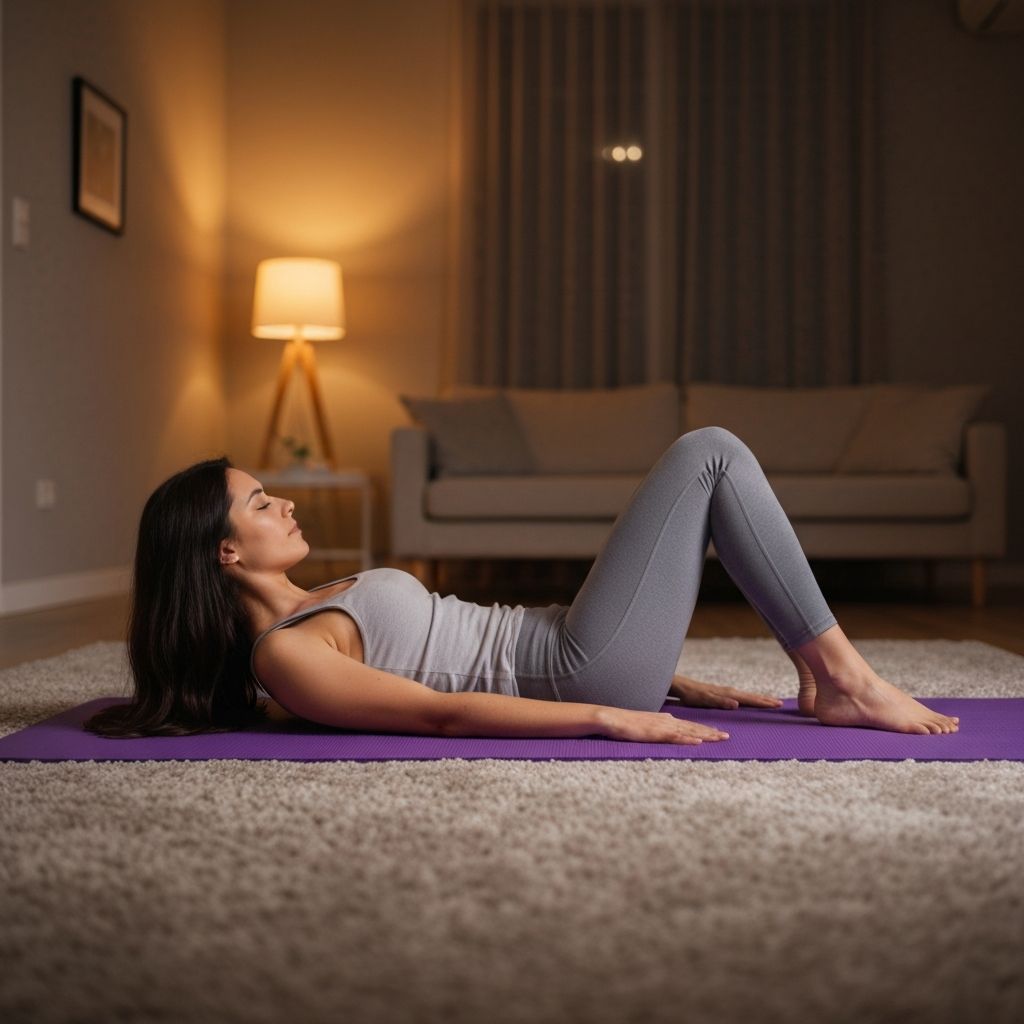
Supine Leg Positions
Lying on the back with various leg positions is a common approach in evening flexibility work. These positions allow gravity to assist and may feel less demanding than standing variations while still addressing the lower body.
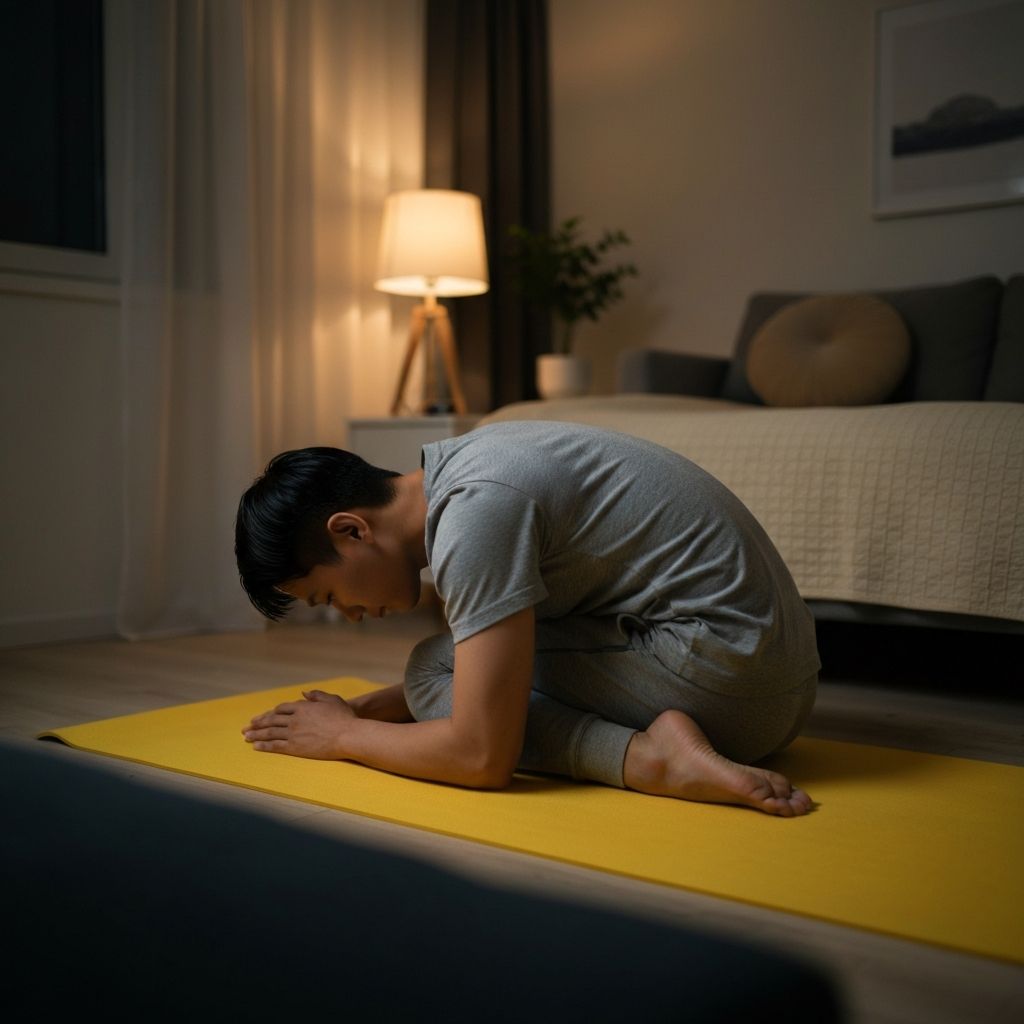
Restorative Positions
Positions like child's pose, where the body is folded forward with support from the floor, are often included in evening sequences. These positions are described as restorative and are typically held for extended periods.
Exercises for Spine and Shoulders
The spine and shoulders form an interconnected system that affects posture and upper body movement. Understanding this relationship helps contextualize exercises that target these areas.
Spinal Movement Patterns
The spine allows for flexion (forward bending), extension (backward bending), lateral flexion (side bending), and rotation. Different exercises emphasize different movement patterns, and many mobility routines incorporate all four categories.
Shoulder Joint Characteristics
The shoulder is one of the most mobile joints in the body, allowing movement in multiple planes. This mobility comes with a trade-off in stability, which is why controlled, gradual movements are often emphasized in shoulder mobility work.
Common shoulder exercises include arm circles, wall slides, and various reaching movements that explore the joint's range of motion.
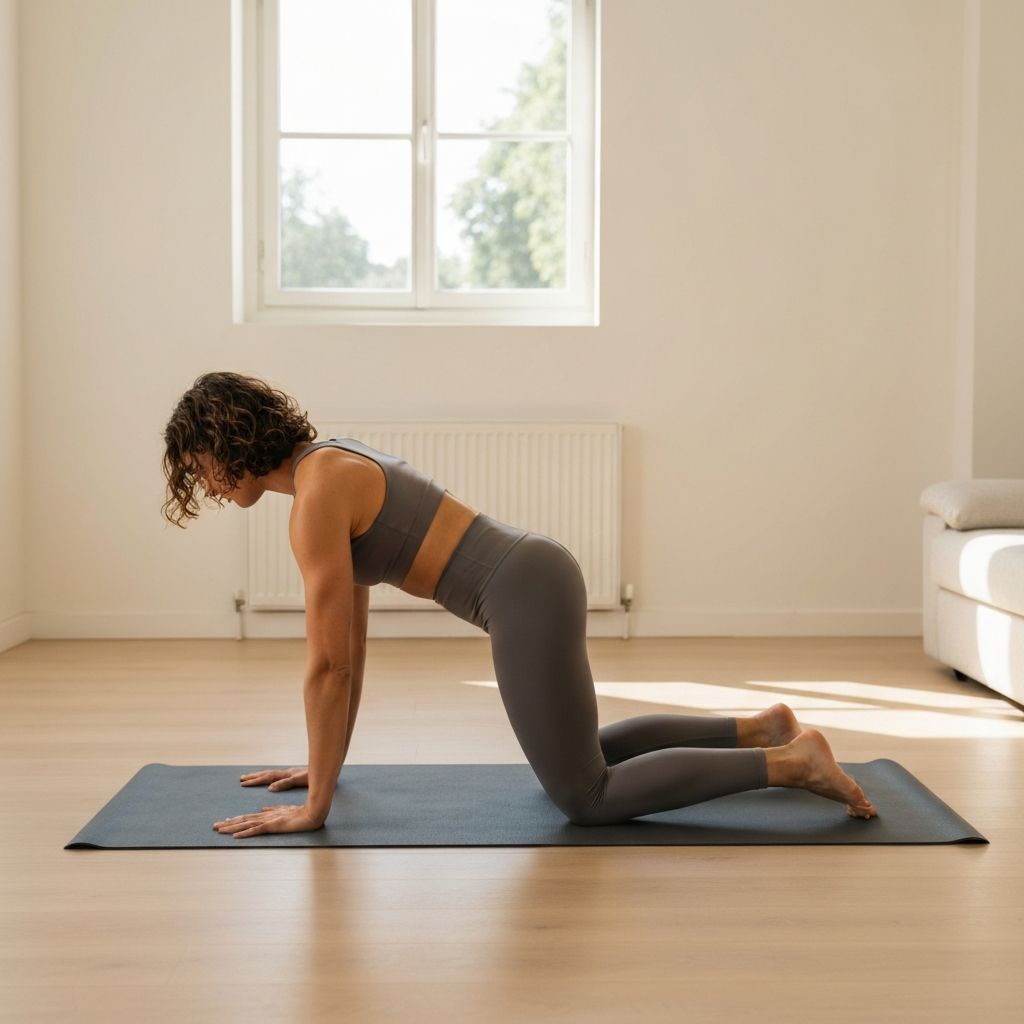
Gentle Hip and Knee Workouts
The hips and knees are major weight-bearing joints that play crucial roles in walking, sitting, and standing. Mobility exercises for these areas are often designed with attention to the forces involved.
Hip Joint Movement
The hip is a ball-and-socket joint that allows movement in multiple directions including flexion, extension, abduction, adduction, and rotation. Hip mobility exercises typically explore these various movement directions.
Knee Considerations
The knee primarily allows flexion and extension, with a small amount of rotation when bent. Knee-focused mobility work often involves movements that take the joint through its available range while maintaining proper alignment.
Many hip and knee exercises can be performed while seated, standing with support, or lying down, allowing adaptation to different comfort levels and circumstances.
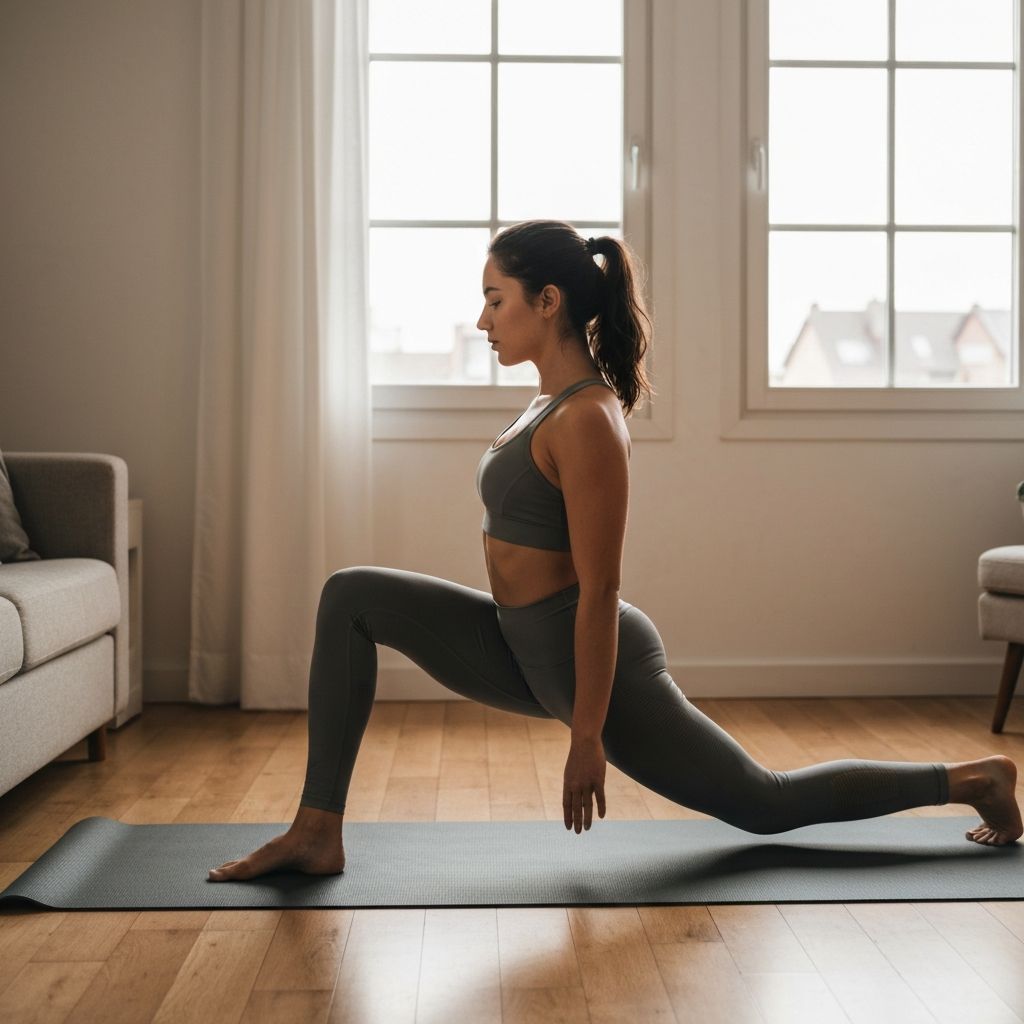
Light Equipment Concepts
Exercise Mat Considerations
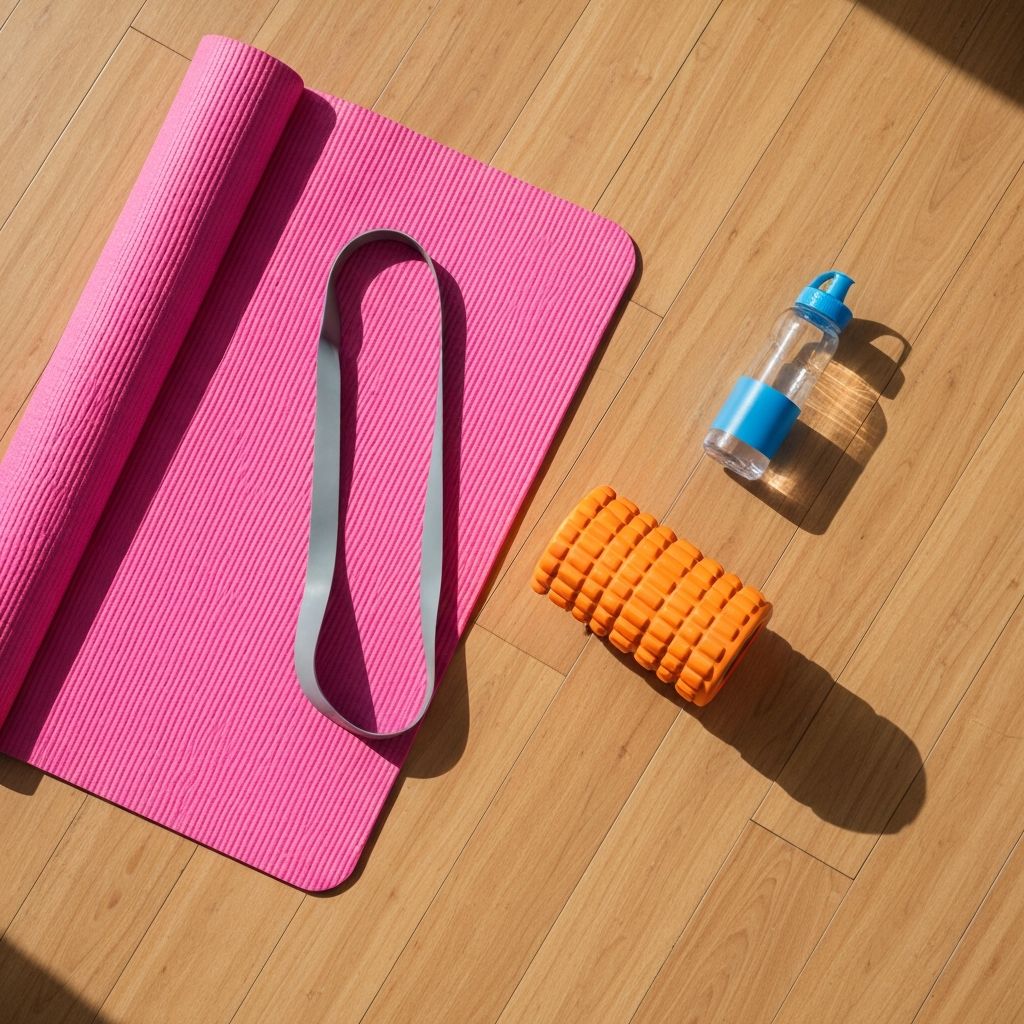
A padded surface such as a yoga mat or exercise mat is commonly used for floor-based mobility work. Mats provide cushioning for joints and a defined space for exercise. Mat thickness varies, with thicker mats offering more padding and thinner mats providing more stability for balance work.
Resistance Bands Overview
Light resistance bands are sometimes incorporated into mobility routines. These elastic bands can provide gentle resistance or assistance during stretching movements. Bands come in various resistance levels, typically indicated by color coding, though this varies by manufacturer.
Foam Rollers and Similar Tools
Foam rollers and similar myofascial release tools are used by some individuals as part of their mobility practice. These tools apply pressure to soft tissues and are available in various densities and surface textures.
Household Alternatives
Many mobility exercises can be performed without any equipment, or with common household items. Chairs, walls, towels, and blankets are often mentioned as alternatives to specialized fitness equipment in mobility literature.
Frequently Asked Questions
Explore Detailed Routine Information
This educational resource provides foundational information about mobility and flexibility concepts. For those interested in learning more about specific aspects of at-home movement practices, additional content is available throughout this site.
Explore Routines Read About FlexicoContact Information
For questions about this educational resource or general inquiries, the following contact information is provided:
Send a Message
Additional Resources
Understanding mobility and flexibility involves concepts from various fields including anatomy, exercise science, and movement traditions. This section provides context about types of resources that exist in this area.
Educational Materials
Books, videos, and online content about stretching and mobility are widely available. These resources range from general overviews to detailed explorations of specific techniques or body regions.
Movement Traditions
Various movement traditions such as yoga, Pilates, and tai chi incorporate mobility and flexibility elements. Each tradition has its own approach, terminology, and emphasis areas.
Exploring different perspectives can provide a broader understanding of how movement and flexibility are conceptualized across different systems and cultures.
Limitations and Context
- All content on this site is informational and educational in nature.
- This resource does not provide individualized recommendations or personalized guidance.
- Approaches to mobility and flexibility vary widely among different traditions, schools of thought, and individual practitioners.
- The information presented does not replace personal research, professional consultation, or individual decision-making.
- Readers are encouraged to consider multiple sources and perspectives when exploring topics related to movement and physical activity.